Alert: Guided Tours at the Reconstructed Fort: Regularly scheduled guided tours provide access into furnished rooms and explore the fort’s role in Westward Expansion and the reconstruction of the fort in 1976.
National Historic Site
Bent's Old Fort
A park ranger speaks to visitors gathered around the fur press in the plaza of the reconstructed fort. NPS/D. Ocheltree
Overview
In the 1840s the Arkansas River was the border between territory claimed by the United States and Mexico. Located along the river, Bent's Fort was an adobe trading post on the Santa Fe Trail, where traders, trappers, travelers, and the Cheyenne and Arapaho tribes came together in peaceful terms for trade. Today, a reconstructed fort allows visitors to explore the front line of Westward Expansion.
The park store is operated by Western National Parks, an official non-profit partner of the National Park Service dedicated to supporting the educational mission of Bent's Old Fort National Historic Site. The park store has a wide range of books, maps, travel guides, media, educational games, posters, and other items available for retail sale.
Take a tour with a Park Ranger to learn more about Bent's Old Fort. Tours are limited to fifteen participants and will explore the historic use of the site and the reconstruction of the fort in the 1970s.
The public is invited inside the reconstruction of Bent’s Old Fort, entering through the zaguan gate and into the plaza. Park Rangers will be present to explain the features of the fort and its 20th century reconstruction. Entry into the reconstructed fort is limited to the central plaza, except on guided tours. For your safety, respect all closures and restrictions. Guided tours provide access into additional areas.
Upon your arrival at the fort, request a Junior Ranger booklet from a park ranger. Tour the fort and grounds while completing the booklet according to your skill level. Take your completed book to a park ranger to receive a Junior Ranger Badge.
While Junior Ranger booklets are free, a park entry fee or annual pass is required for all adult visitors..
Pet Friendly
Birdwatching at Bent's Old Fort National Historic Site
$
Description
Birdwatching can be a fun activity that the whole family can enjoy. Seventy-two species of birds are currently documented at Bent's Old Fort National Historic Site. The park has a Bird Check List (hard copies available at the fort) that includes 137 species of birds and lists 15 species that were identified from period diaries as being here during the 1840's. Park Species Lists
Park entry fee or annual pass required for all adult visitors.
Pet Friendly
Hiking along the Arkansas River
$
Description
Visitors can hike a 1.75 mile trail that winds its way through the cottonwood trees alongside the wetlands and the Arkansas River. Interpretive exhibit panels explain the further significance of this important river ecosystem.
Park entry fee or annual pass required for all adult visitors.
Pet FriendlyTime:30-90 Minutes
More Images
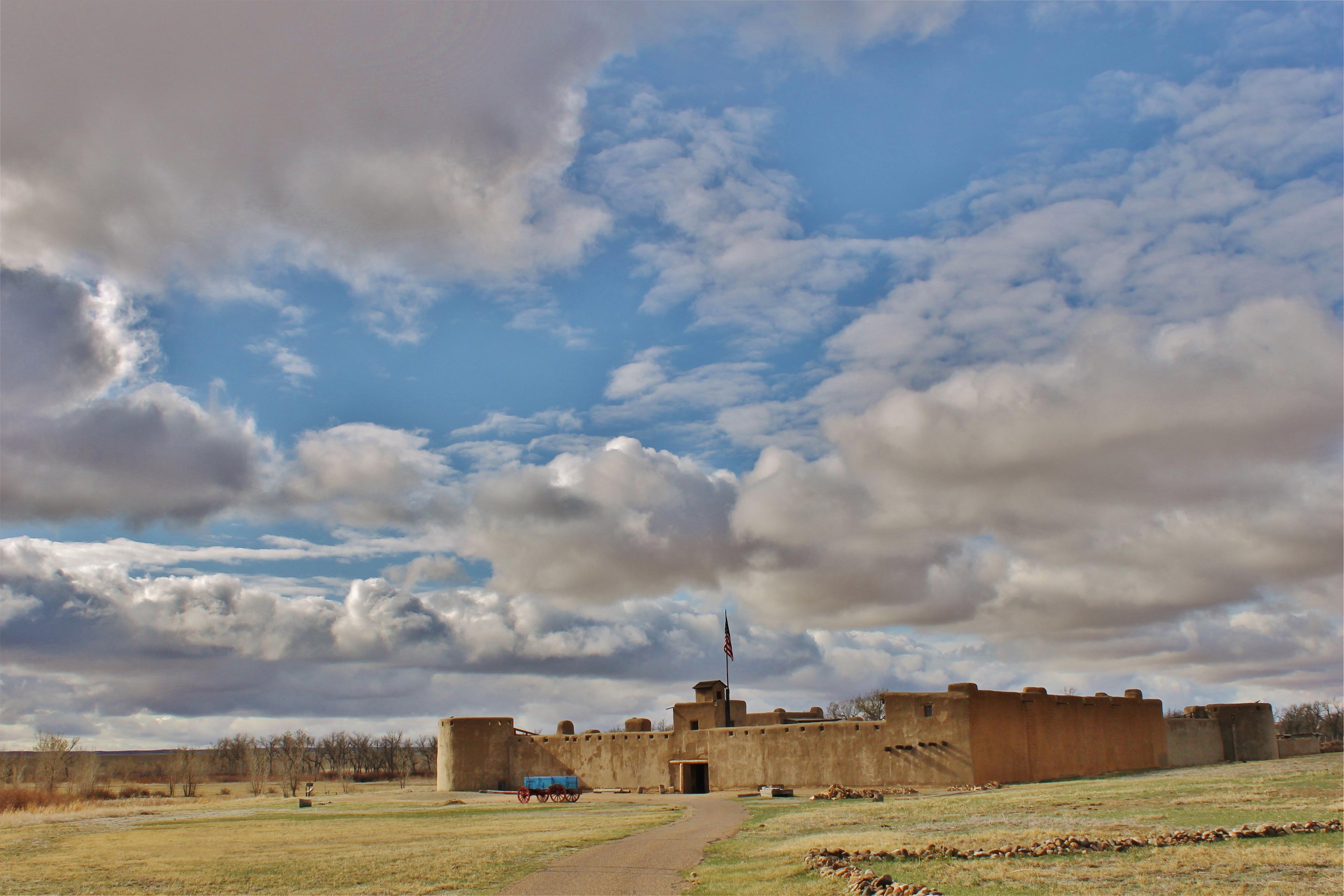
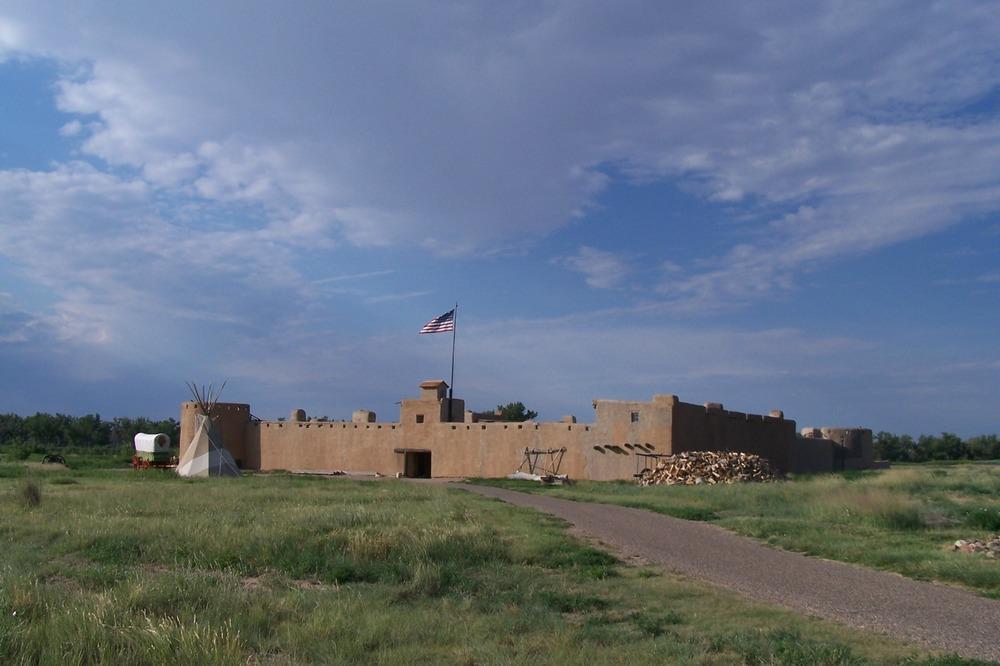
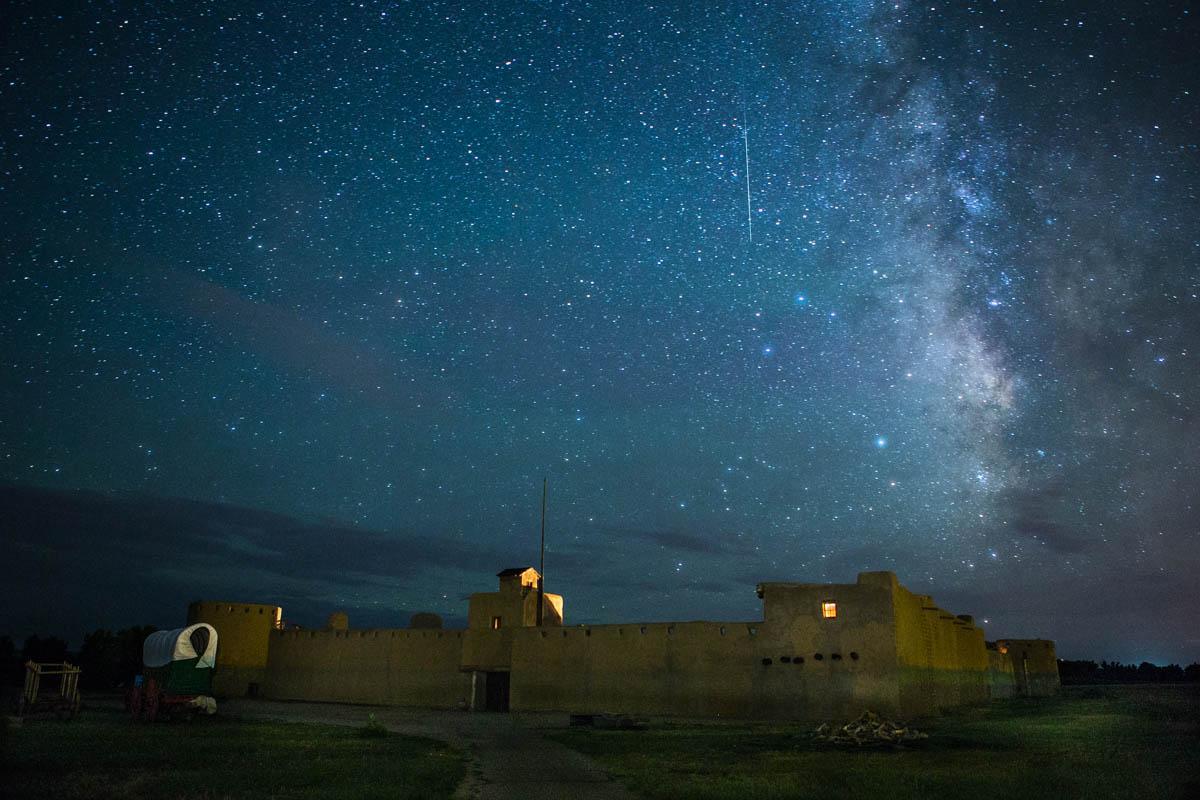
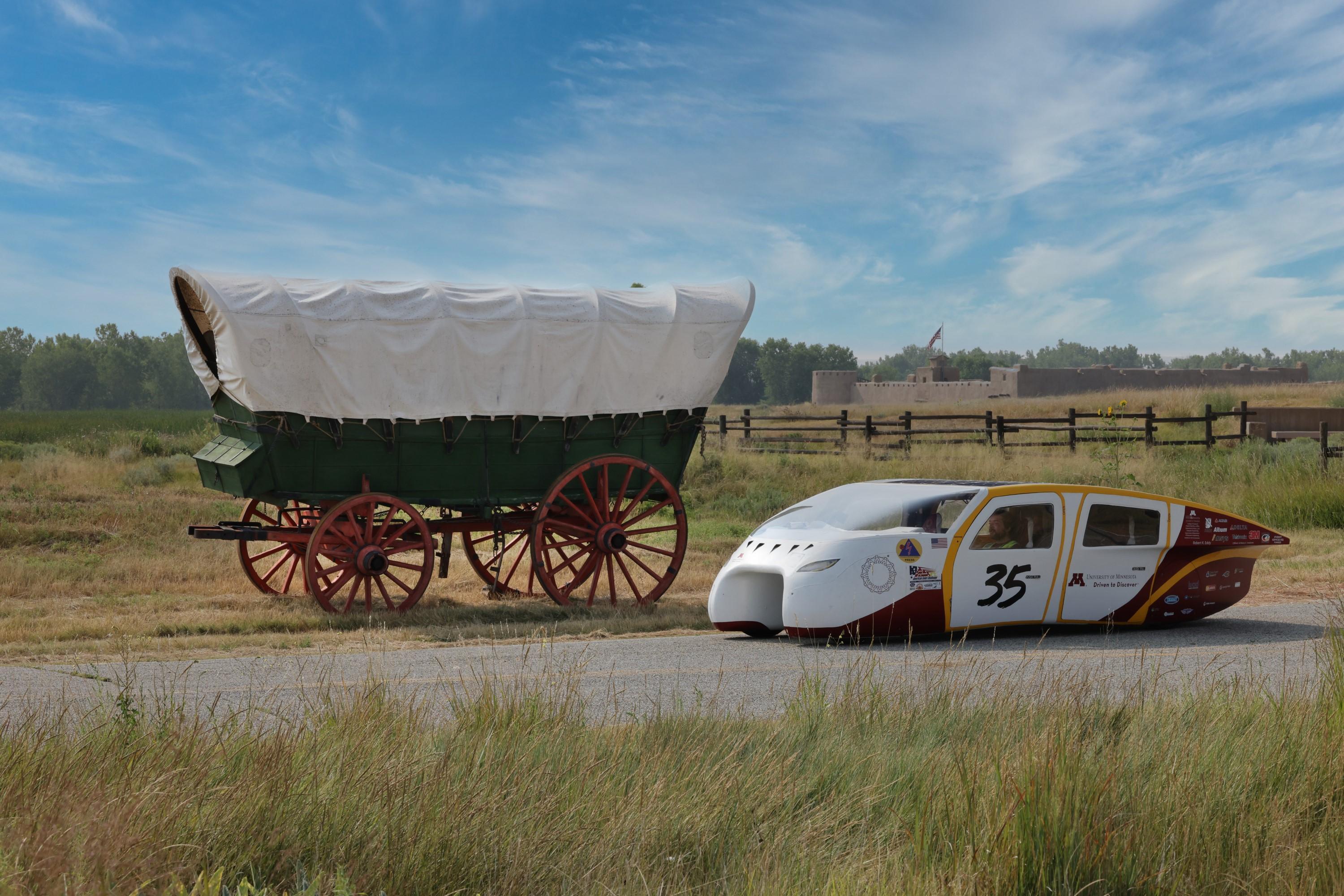
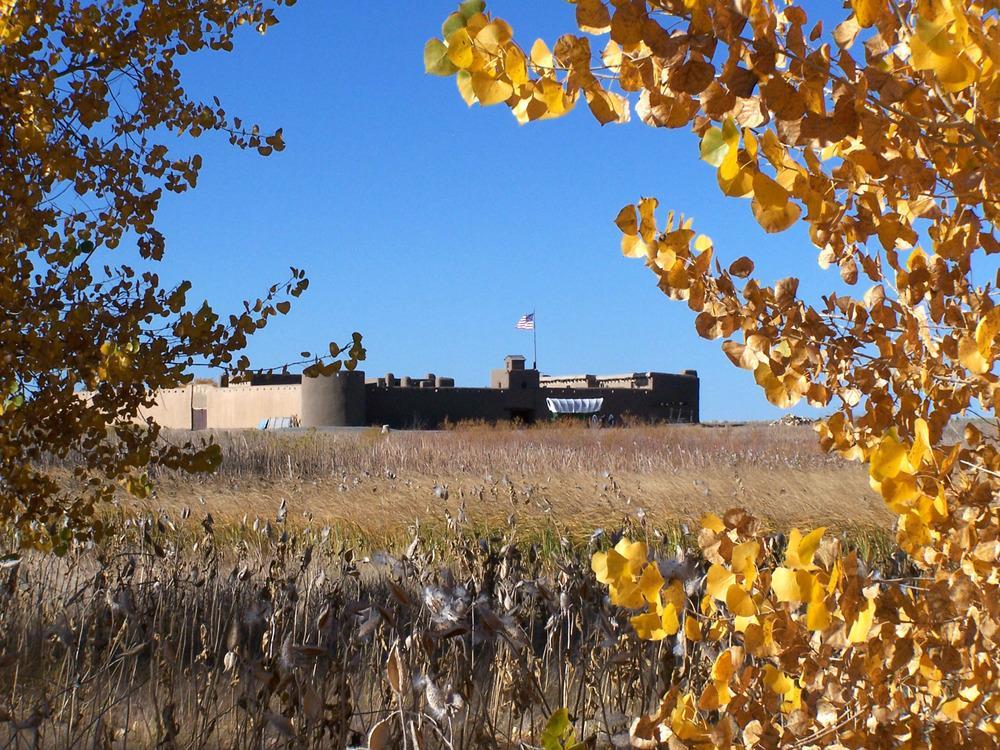
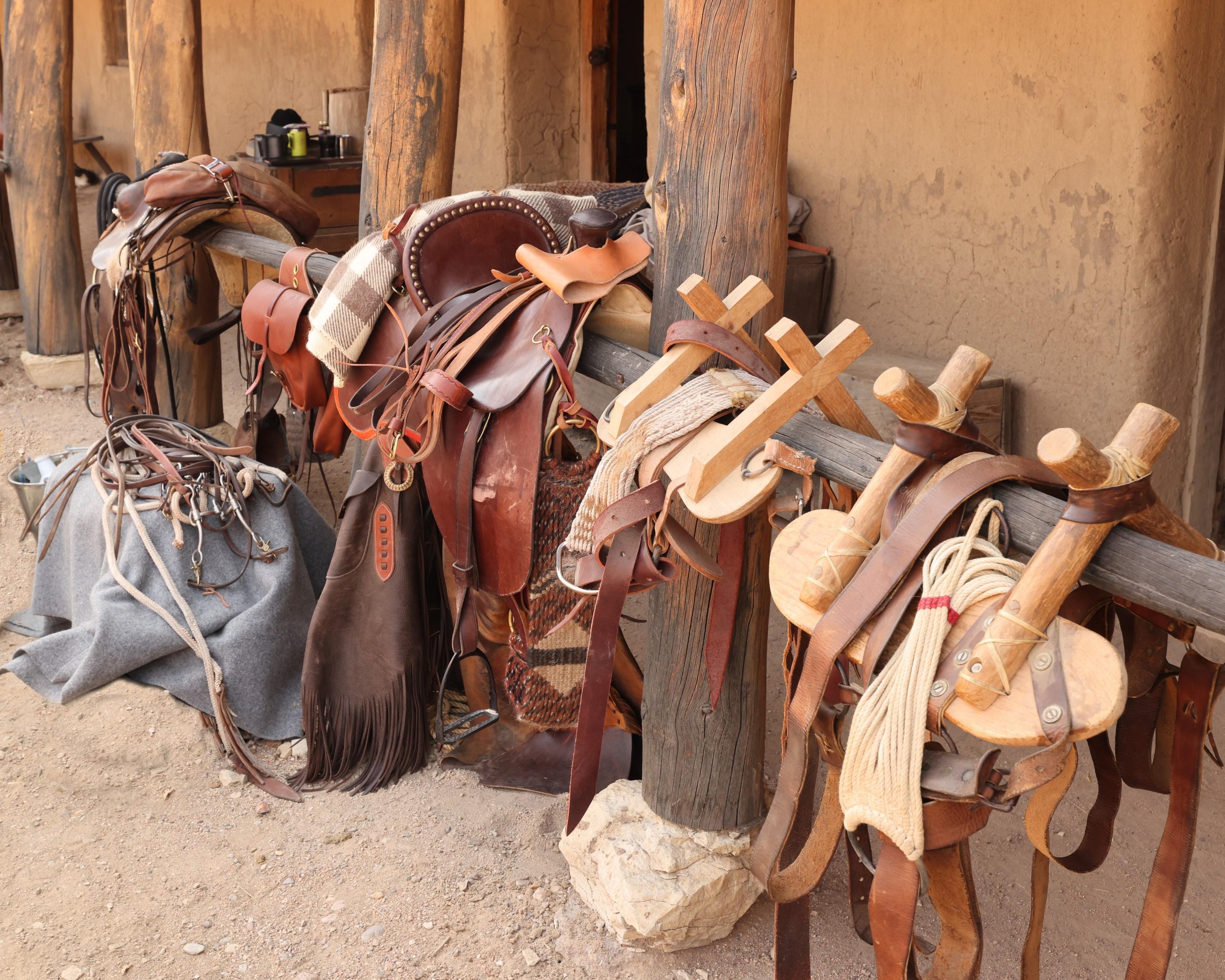
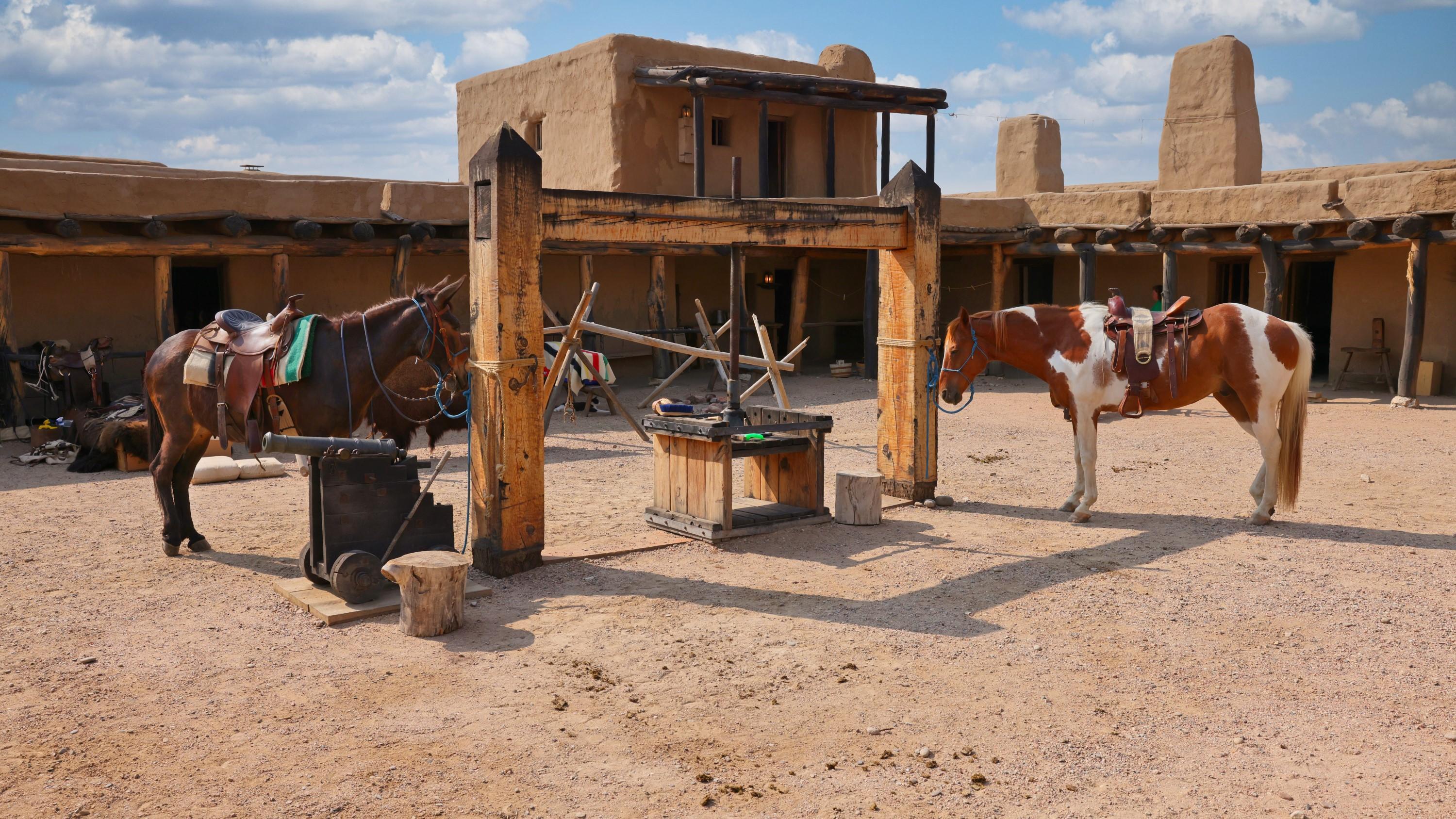
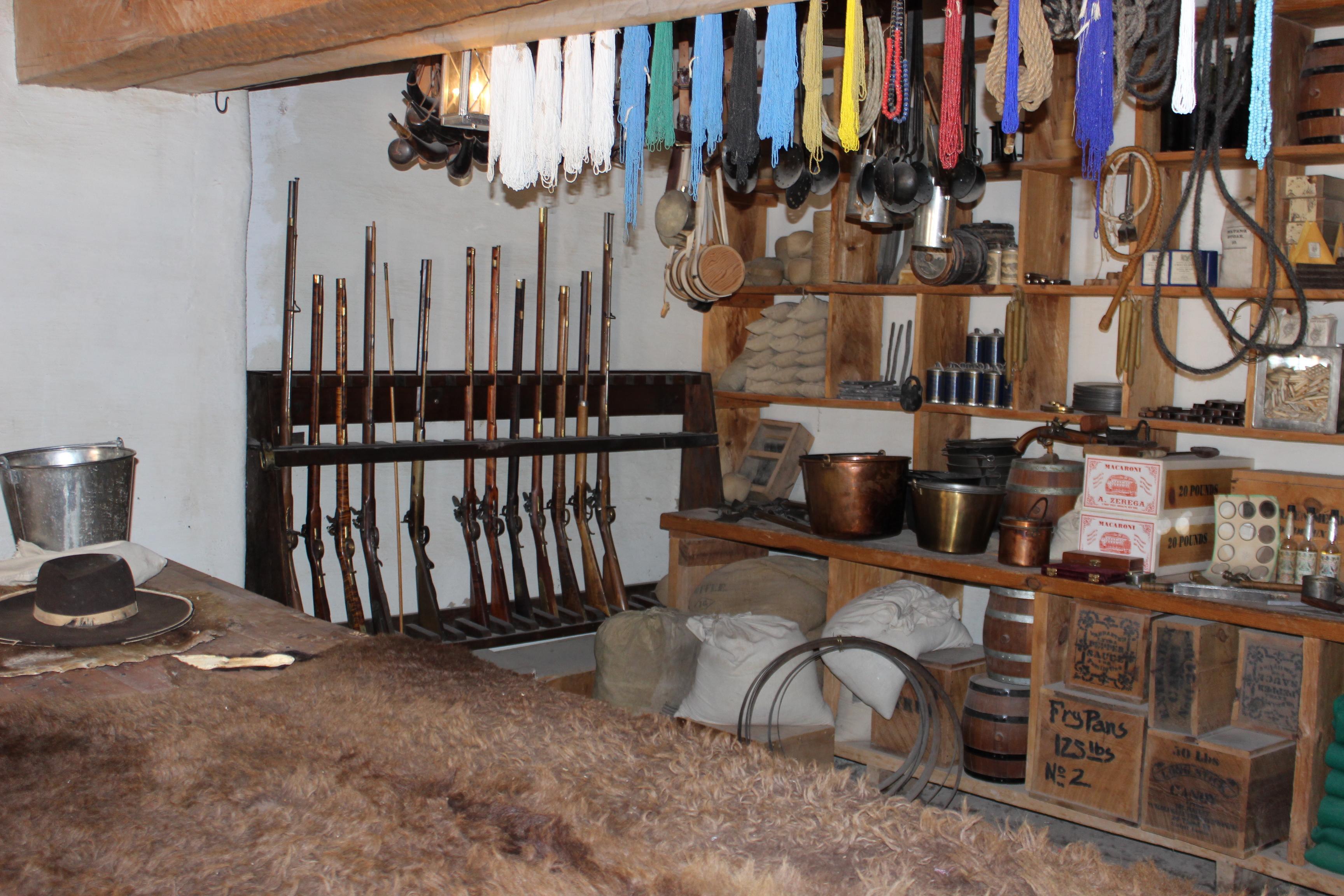
A group of visitors stand around a large wooden apparatus in a plaza courtyard.Bent's Old Fort with shortgrass prairie in foreground and blue sky and clouds aboveWooden boxes and buffalo furs are scattered around a plaza inside an adobe fortification.Bent's Old Fort with shortgrass prairie, tepee and wagon in foreground and blue sky & clouds abovebundles of glass trade beads tied together hang from a wooden rafterAn adobe fort with lights under a starry skyA Conestoga wagon and a solar race car stand on a road with a large adobe fort in the backgroundBent's Old Fort in background with wagon in front; fall yellow cottonwood leaves in foregroundA row of saddles are arrayed along a wooden beam near an adobe buildingTwo animals are tied to a wooden frame in the interior of a large adobe structure.A wooden counter is in the foreground of a trade room, with sales items on display in the background